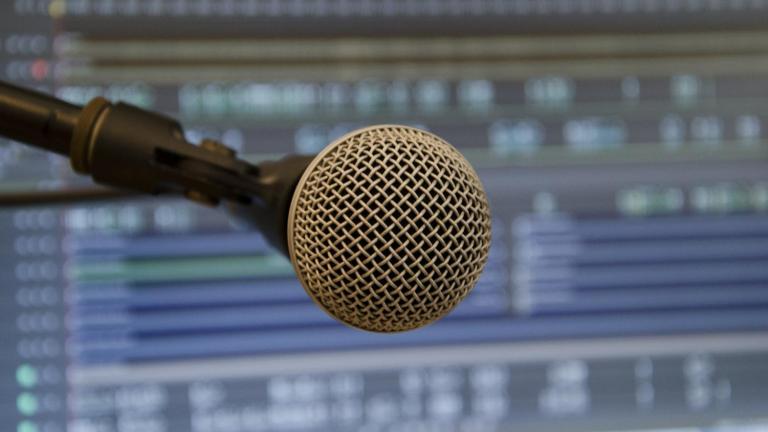
Sound is often the unsung hero of the gaming experience, working tirelessly behind the scenes to transform a visual spectacle into an unforgettable adventure. Far more than mere background noise, expert game audio production elevates gameplay, sculpts atmosphere, and forges a profound emotional connection with players. From the subtle rustle of leaves that hints at an approaching enemy to the triumphant crescendo accompanying a boss battle victory, sound design is a critical component that can make or break immersion.
In the competitive world of game development, investing in high-quality sound design isn't just an option; it's a necessity. It’s the sonic architecture that guides players, reinforces narratives, and elicits visceral reactions, turning passive observation into active engagement. This article delves into the core principles and techniques that define effective sound design for games, exploring how meticulous game audio production enhances every facet of the player journey.
The Pillars of Immersive Game Sound Design
Effective sound design for games isn't accidental; it's built upon fundamental principles that guide the creation of truly captivating audio experiences. These pillars ensure that every sonic element serves a purpose, contributing to the overall coherence and impact of the game world.
Crafting a Believable World Through Audio
At its heart, sound design is about storytelling. Sound effects and music must seamlessly weave together to create an immersive narrative that draws players into the game world. This means not just telling them what's happening, but making them feel it. A creaking floorboard in a horror game, the distant rumble of thunder in a fantasy epic, or the whirring hum of machinery in a sci-fi saga all contribute to building a rich, believable environment.
Crucially, game audio production strives for realism and authenticity. Sound effects should resonate with our real-world understanding, making the game environment feel tangible and engaging. This doesn't necessarily mean every sound must be identical to its real-life counterpart, but rather that it feels right within the established rules of the game's universe. Even in fantastical settings, consistent and believable audio cues are vital for maintaining player immersion and suspension of disbelief. Think of the unique "thwip" of Spider-Man's web-shooters – it’s not realistic, but it's authentically *him*.
Evoking Emotion and Engagement
Beyond realism, sound design is a powerful tool for emotional resonance. It can evoke a wide spectrum of feelings, from the chilling dread of a monster's growl to the exhilarating triumph of a boss fight victory, or the quiet melancholy of a poignant narrative moment. Music, especially, can manipulate player mood with incredible precision, guiding their emotional journey through the game.
A hallmark of modern game audio production is dynamic audio – sound effects and music that respond intelligently to player actions and game events. This creates a deeply interactive and engaging experience. Imagine the subtle shift in music as you approach an objective, the increased intensity of combat sounds as your health dwindles, or the distinct audio cue that confirms a successful interaction. This adaptability not only enhances immersion but also provides crucial feedback, making players feel like their actions have tangible, sonic consequences.
The Art and Science of Game Audio Production: From Concept to SFX
Bringing a game world to life through sound requires a blend of artistic vision and technical prowess. The process of creating high-quality sound effects is meticulous, demanding creativity, precision, and an iterative approach.
Creating High-Quality Sound Effects: Best Practices
- Record High-Quality Source Audio: The foundation of excellent sound design is pristine source material. This means utilizing professional-grade recording equipment, selecting appropriate microphones for different sound types, and capturing audio in acoustically suitable environments. Whether recording Foley effects, environmental ambiences, or specific object interactions, clarity and minimal background noise are paramount.
- Edit and Process Audio with Precision: Raw recordings are just the starting point. Audio editing software becomes the sculptor's chisel, allowing designers to trim, layer, and process audio. Techniques like equalization (EQ) to shape frequencies, compression to control dynamics, reverb to create space, and distortion or modulation for unique character are all part of the toolkit.
- Use Layering and Variation for Depth: A single sound effect often lacks impact. True realism and richness come from layering multiple sounds. For instance, a sword swing might combine the metallic clang, the whoosh of air, and a subtle impact thud. Variation is equally important; instead of a single gun sound looping, multiple slight variations prevent auditory fatigue and make the experience more believable.
- Test and Iterate in-Game: Sound effects rarely sound the same in isolation as they do within the game engine. Continuous testing in-game is essential to ensure they integrate seamlessly with visuals, gameplay mechanics, and other audio elements. Designers must be prepared to iterate, refining and adjusting sounds based on context, feedback, and playtesting until they achieve the desired quality and effectiveness.
Beyond SFX: The Role of Music and Voice Acting
While sound effects are crucial, a comprehensive game audio production strategy also heavily relies on music and voice acting. Music sets the overarching mood, dictates pacing, and can be an incredibly potent emotional trigger. A well-composed score can make a simple walk through a forest feel serene, or an ordinary encounter feel epic. Voice acting, on the other hand, breathes life into characters, conveying personality, driving narrative forward, and providing vital information through dialogue. The interplay between these three elements—SFX, music, and voice—creates a truly holistic and immersive auditory landscape for the player.
Elevating Gameplay and Atmosphere Through Strategic Sound Design
The true power of sound design lies in its ability to actively enhance gameplay and establish a game's unique atmosphere. It’s an invisible hand guiding the player and shaping their experience.
Guiding Players and Building Tension
Sound design excels at creating tension and anticipation. Subtly building musical scores, sudden silences before a jump scare, or unsettling ambient noises can significantly heighten suspense, making the game more engaging and memorable. These auditory cues prime the player for what's to come, manipulating their emotional state long before a visual reveal.
Furthermore, sound effects are indispensable for providing feedback and cues to the player. A distinct chime for a successful action, a warning growl indicating a nearby enemy, the snap of a breaking weapon, or the subtle sound of low health – these auditory signals make gameplay more intuitive and responsive. They act as an invisible tutorial, allowing players to understand game mechanics and make informed decisions without constant visual prompts. This level of responsiveness is a hallmark of excellent Crafting Game Audio: Music & SFX Production for Any Game Engine.
Defining World and Mood
Perhaps one of the most fundamental roles of sound design is to establish the atmosphere and mood of the game. Environmental sounds – the distant chirping of crickets, the relentless roar of a blizzard, the echoing drip in a cavern – instantly transport players into the game world, reinforcing its unique character. These background soundscapes create a sense of place and depth, filling in the blanks that visuals alone might miss.
Finally, sound design can profoundly enhance visuals and graphics. A majestic dragon flying overhead feels more powerful with an accompanying roar and wing flaps. A rain-soaked street appears more dismal with the patter of raindrops and distant thunder. Sound designers meticulously craft audio to complement and intensify visual elements, creating a cohesive and deeply immersive experience where sight and sound work in perfect harmony, making the virtual world feel palpably real.
Conclusion
Ultimately, sound design is a pivotal discipline in modern game development, acting as a powerful, often subconscious, driver of player experience. From crafting authentic environments and evoking deep emotions to providing crucial gameplay feedback and building palpable tension, its influence is pervasive. High-quality game audio production doesn't just add sound to a game; it imbues it with life, depth, and personality, transforming a series of pixels into an unforgettable journey. As games continue to evolve, the strategic application of sound design will remain an essential factor in creating truly immersive, engaging, and emotionally resonant interactive experiences for players worldwide.